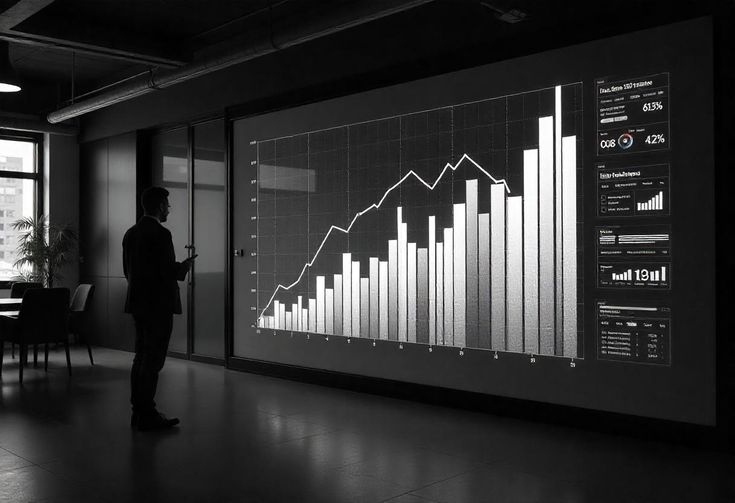
7 Automations + Dashboards Every D2C Brand Needs
Turn your D2C store into a predictable growth system. Here are 7 high-impact automations and dashboards that reduce chaos, boost conversions, and increase repeat orders.
Most D2C brands don’t have a “marketing problem.”
They have a system problem.
You can run ads, grow followers, and push traffic all day-but if your storefront is unclear, operations are manual, and there’s no visibility into what’s working… growth feels like stress.
At Zorven, we think about D2C like this:
- A store is a page.
- A business is a system.
This blog shows you the exact 7 automations + dashboards that turn a normal store into a predictable growth engine—so you scale with clarity, not chaos.
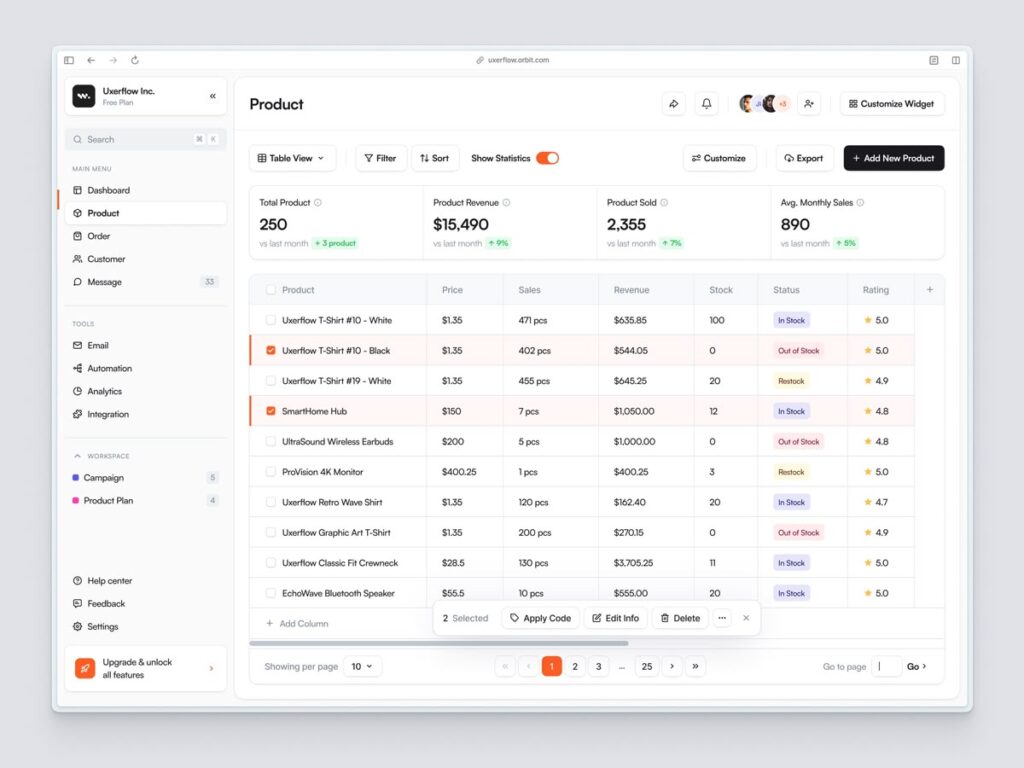
Clarity → Conversion → Automation → Retention → Insight → Repeat
1) Speed + Core Web Vitals fixes (the silent revenue lever)
If your product pages load slowly, you’re paying for wasted traffic.
What we set up:
- Image compression + modern formats (WebP/AVIF)
- Lazy loading and code splitting
- Removing heavy apps/scripts
- Cleaner theme + reduced render blocking
What improves:
- Conversion rate
- Ad efficiency
- Bounce rate
- SEO performance
Simple rule:
If mobile feels slow, revenue is leaking.
2) “Offer clarity” blocks (so visitors don’t think twice)
Most stores lose customers because the offer is not obvious in 5 seconds.
What to add above the fold:
- One-line promise (who it’s for + outcome)
- 3 clear benefits (not features)
- Trust signals (ratings, press, guarantees)
- Shipping + returns clarity
- Strong CTA (same CTA repeated 3 times on page)
Zorven mindset:
People don’t buy products. They buy confidence.
3) Abandoned cart + checkout nudges (automation that prints)
Cart abandonment is normal. Ignoring it is expensive.
Automation flow (basic but deadly):
- 30 min after abandon → reminder + product image
- 6 hours after → social proof + FAQ
- 24 hours after → urgency + small incentive (optional)
Add WhatsApp (India-specific power move):
- “Need help placing your order?”
- Quick replies for size, COD, delivery ETA
What it does:
Recover revenue without increasing ad spend.
4) Post-purchase updates (reduce support tickets instantly)
A surprising amount of customer anger comes from one thing:
“Where is my order?”
Automations we add:
- Order confirmed message (email/WhatsApp)
- Shipping updates + tracking link
- Delivery confirmation + “need help?” CTA
- Delay alert if shipment stuck
Outcome:
- Lower support load
- Higher trust
- Higher repeat rate
5) Returns + COD confirmation workflow (protect your margin)
Returns and COD failures are hidden killers for D2C.
What to automate:
- COD confirmation via WhatsApp
- Address validation prompts
- Return initiation form (self-serve)
- Return status updates
What improves:
Better customer experience
Fewer fake COD orders
Lower RTO
Faster resolution
6) Repeat purchase system (retention beats acquisition)
Most stores focus on the first order. Real brands focus on the second.
Retention flows we build:
- 7 days after delivery → “How’s it going?” + tips
- 14–21 days → cross-sell based on category
- 30 days → reorder / refill reminder (if relevant)
- VIP flow for high-LTV customers
Key idea:
Retention isn’t “email marketing.” It’s customer momentum.
7) Dashboards that show the truth (so you stop operating blind)
If you don’t measure, you can’t scale.
Here are the dashboards that matter most:
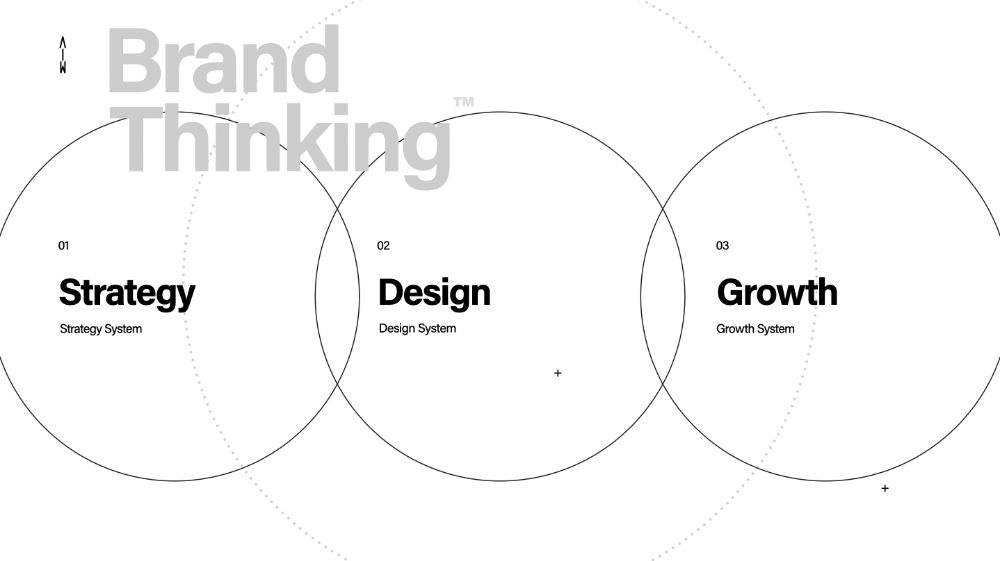
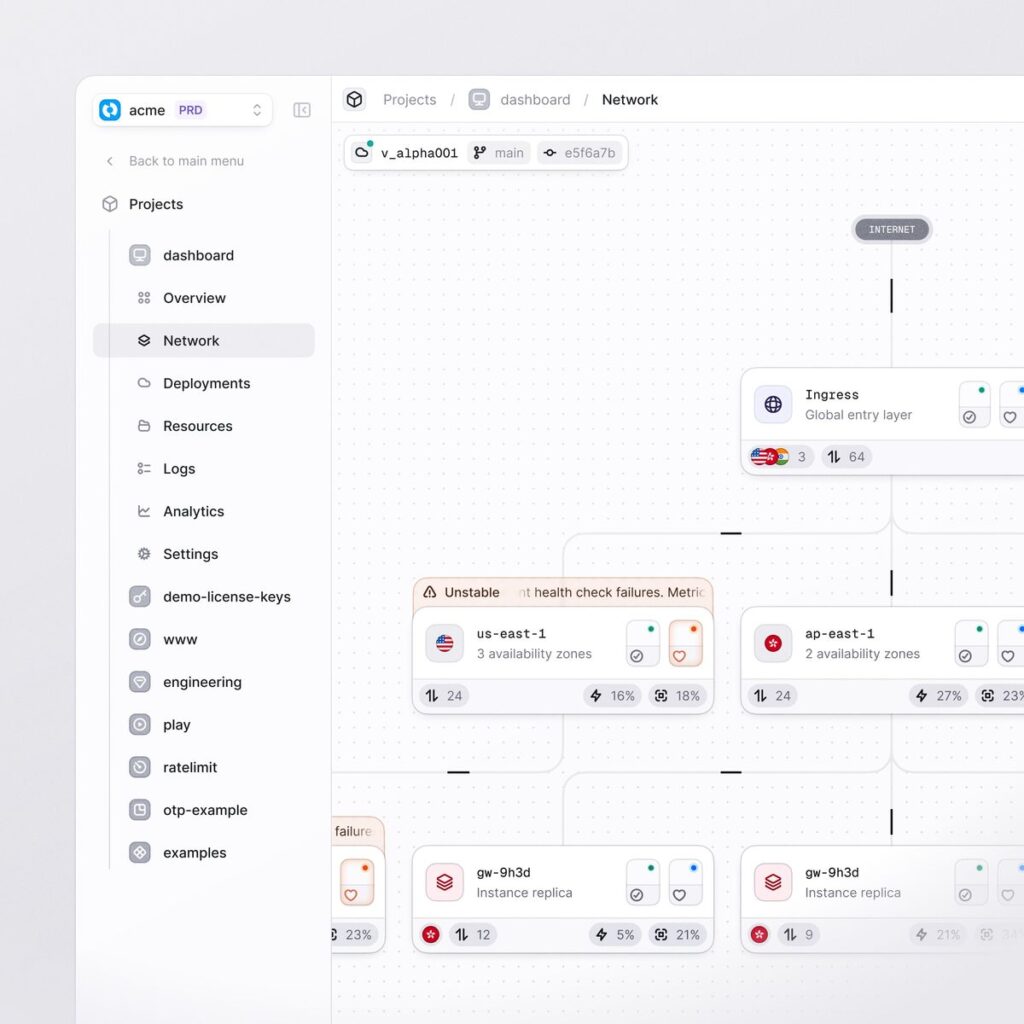
A) Daily “Command Center” dashboard
Shows:
- Revenue (today / MTD)
- Orders (today / MTD)
- Conversion rate
- AOV
- Refund/return rate
- Top products
- Stockout risk
B) Marketing performance dashboard
Shows:
- Spend vs revenue
- CAC / CPA trends
- Best creatives
- Landing page performance
- Drop-off points (view → ATC → checkout → purchase)
C) Ops & support dashboard
Shows:
- Order SLA (packed/shipped)
- Delayed shipments
- Ticket volume
- Common issues
- CSAT trends
Zorven rule:
The dashboard should answer:
✅ “What changed today?” and ✅ “What should we fix next?”
A simple 14-day rollout (if you want to do it cleanly)
Week 1: Storefront + Conversion
- Speed fixes
- Offer clarity blocks
- Checkout improvements
- Abandoned cart automation
Week 2: Ops + Retention
- Order updates + tracking automation
- COD/returns workflow
- Repeat purchase flows
- Command dashboard
This gives you a real system—fast.
What you get when this is done right
When a store becomes a system:
- You stop chasing “random growth”
- Your team stops firefighting
- Customers trust you more
- Repeat orders rise
- Decisions become obvious
And most importantly:
You scale with clarity.
Want Zorven to build this system for you?
If you want help setting this up (storefront + automation + dashboards + real support), Zorven can do it end-to-end.
Visit: zorven.in
Or email: shivam.gautam@zorven.in
Author
Zorven Team – We build high-performing storefronts, workflows, automations, and dashboards so brands scale without chaos.